Explore ten popular interior design styles, their defining characteristics, materials, and color palettes, and what makes each one unique.
Explore the styles
01
Modern
Originating from the modernist movement of the early to mid-20th century, modern design prioritizes function and simplicity. Its defining features include clean, sleek lines, open floor plans, expansive windows, geometric forms, and minimal ornamentation.
Color palette
Whites, creams, soft grays, warm browns, and beige, with accent colors such as muted greens, burnt orange, and black.
Materials
Walnut, oak, teak, marble, granite, glass, steel, chrome, concrete, and natural textiles such as leather, cotton, linen, and wool.
Mood
Calm, functional, sophisticated, and timeless.
Best for
Those who appreciate clean lines, uncluttered spaces, and a balance of beauty and functionality.
02
Contemporary
Emerging in the 1970s and 1980s as a distinct approach, contemporary design draws inspiration from the present and continually evolves with changing trends, technologies, and cultural influences. At its core, it emphasizes comfort, simplicity, and elegance. Its defining characteristics include a balance of clean lines, soft curves, organic forms, and bold statement lighting.
Color palette
Whites, creams, soft grays, beige, warm browns, muted pastels, and metallic accents. Black is often used to create contrast, define architectural features, or frame focal points.
Materials
Natural or lightly finished wood, marble, granite, glass, chrome, brushed nickel, and textiles such as leather, velvet, cotton, and microfiber.
Mood
Comfortable, confident, refined, and inviting.
Best for
Individuals who appreciate a sophisticated, ever-evolving aesthetic with clean lines, comfortable furnishings and current trends.
03
Minimalist
Influenced by Japanese philosophy and modernist architecture, minimalist design emphasizes simplicity to enhance space, light, and flow. Its defining features include clean lines, simple forms, open and uncluttered layouts, and expansive windows. Furniture and décor are intentionally selected, with each piece valued for both its function and purpose.
Color palette
Soft whites, warm neutrals, and grays form the foundation, enhancing light and openness. Accent colors include black, charcoal, and muted earth tones.
Materials
Pale woods, natural stone, glass, concrete, and simple textiles such as cotton, linen, wool, and leather.
Mood
Open, serene, peaceful, and intentional.
Best for
Those seeking simplicity, intentional living, and clutter-free spaces. Ideal for people seeking a calm and functional home.
04
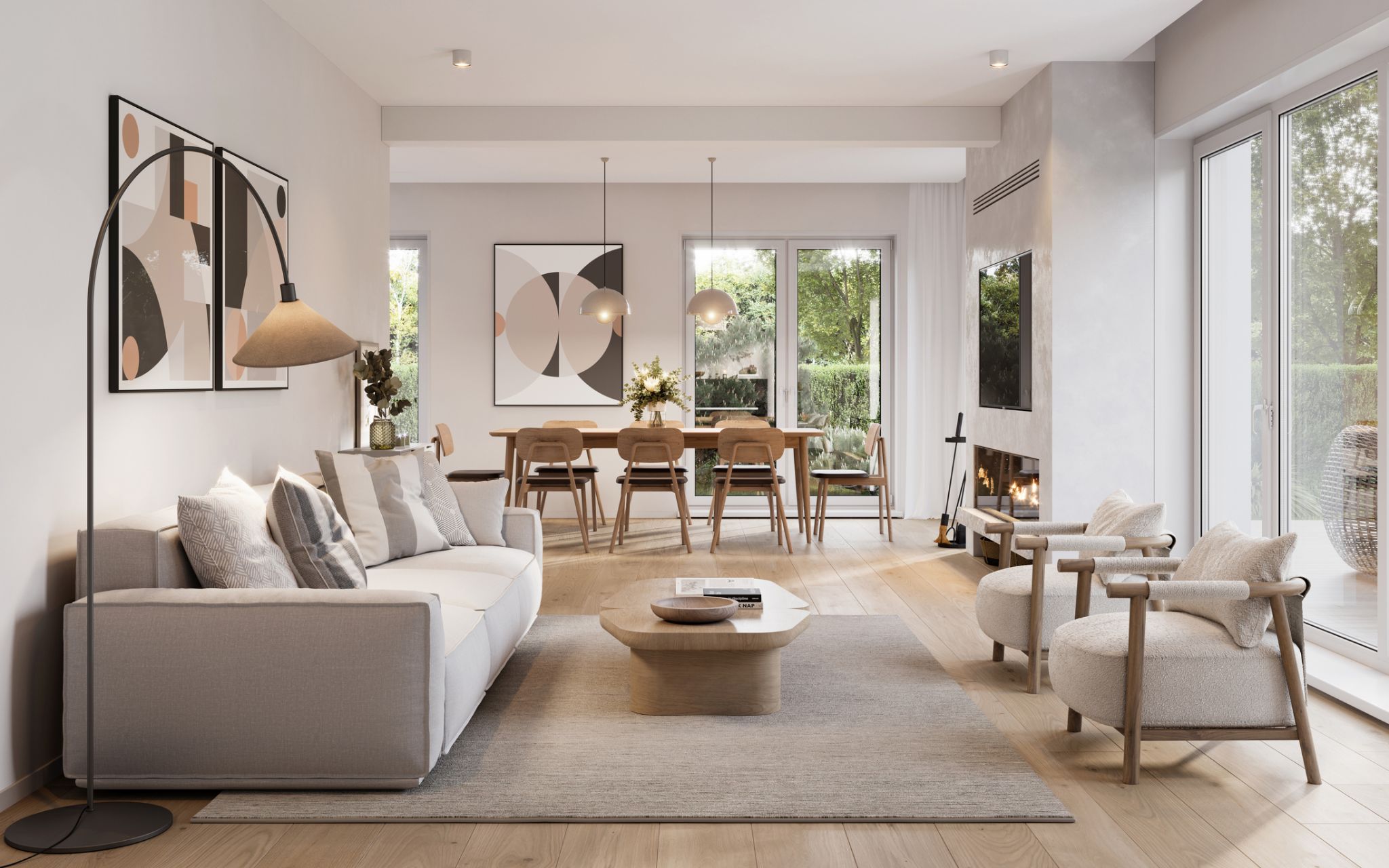
Scandinavian
Originating in the Nordic countries, where long winters and limited daylight shaped daily life, Scandinavian design blends minimalism and functionality to maximize natural light and create a sense of hygge (comfort and coziness). Its defining features include clean, simple lines, minimal ornamentation, natural materials, and a strong emphasis on craftsmanship.
Color palette
Whites, soft grays, creams, and muted neutral tones.
Materials
Oak, ash, birch, glass, natural stone, brushed brass, black steel (commonly used for hardware and lighting fixtures), and natural textiles such as cotton, linen, wool, and sheepskin.
Mood
Airy, functional, cozy, and inviting.
Best for
Anyone who appreciates bright, uncluttered interiors that balance simplicity with warmth. Well suited for those seeking a functional, comfortable home filled with natural light, and quality craftsmanship.
05
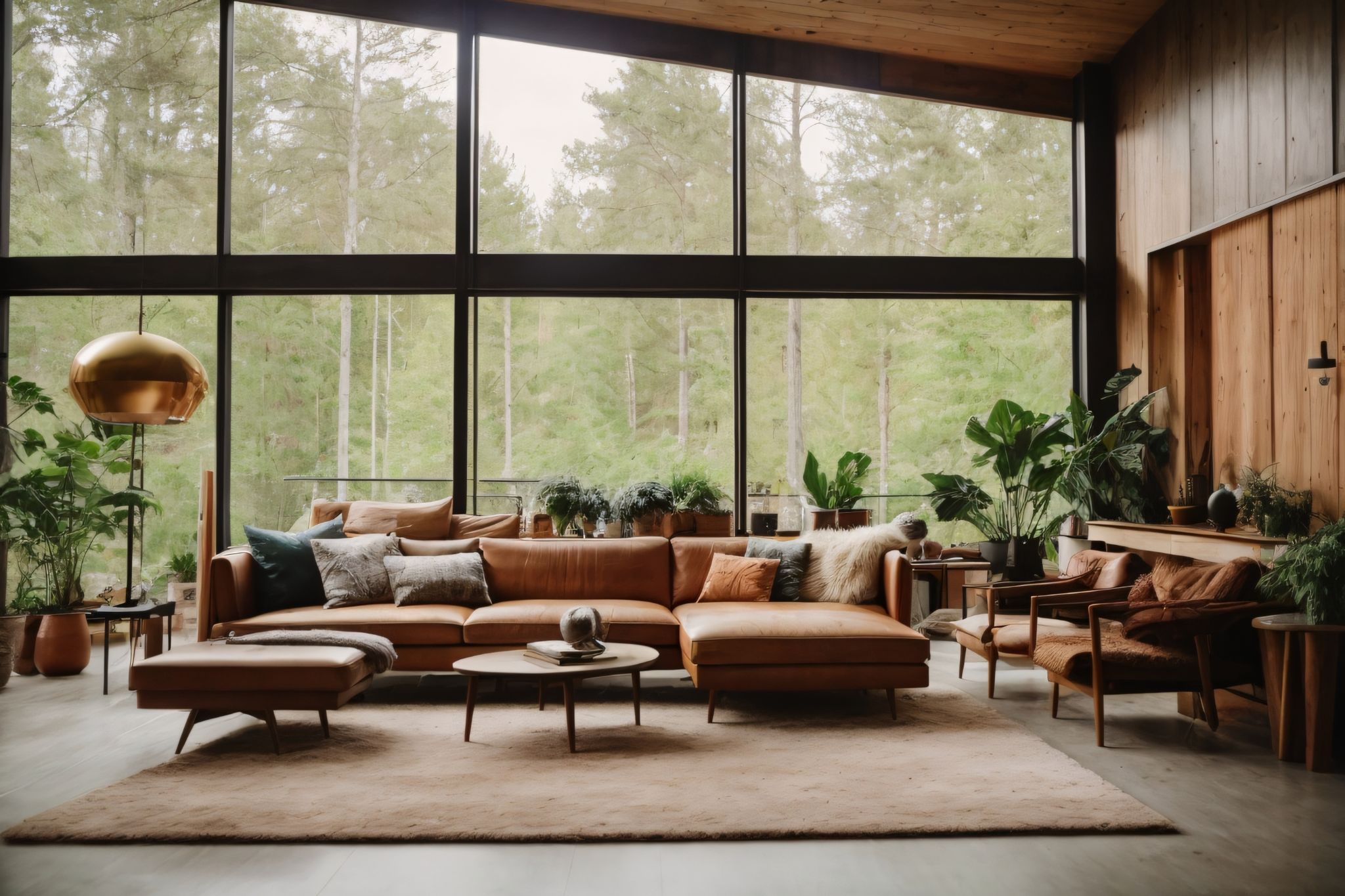
Mid Century Modern
Influenced by the Bauhaus movement and advancements in technology and materials following World War II, Mid-Century Modern design emphasizes simplicity, functionality, and timeless beauty. Its defining features include clean lines, minimal ornamentation, a balance of geometric and organic forms, expansive windows, and open floor plans that foster a strong connection to the outdoors.
Teak, walnut, oak, chrome, brass, marble, terrazzo, glass, fiberglass, and natural textiles such as leather, wool, linen, and velvet.
Mood
Functional, casual, timeless, and welcoming.
Best for
Those who appreciate iconic design, quality craftsmanship, and functional living. Well suited for those seeking clean lines, warm wood tones, and timeless furnishings.
06
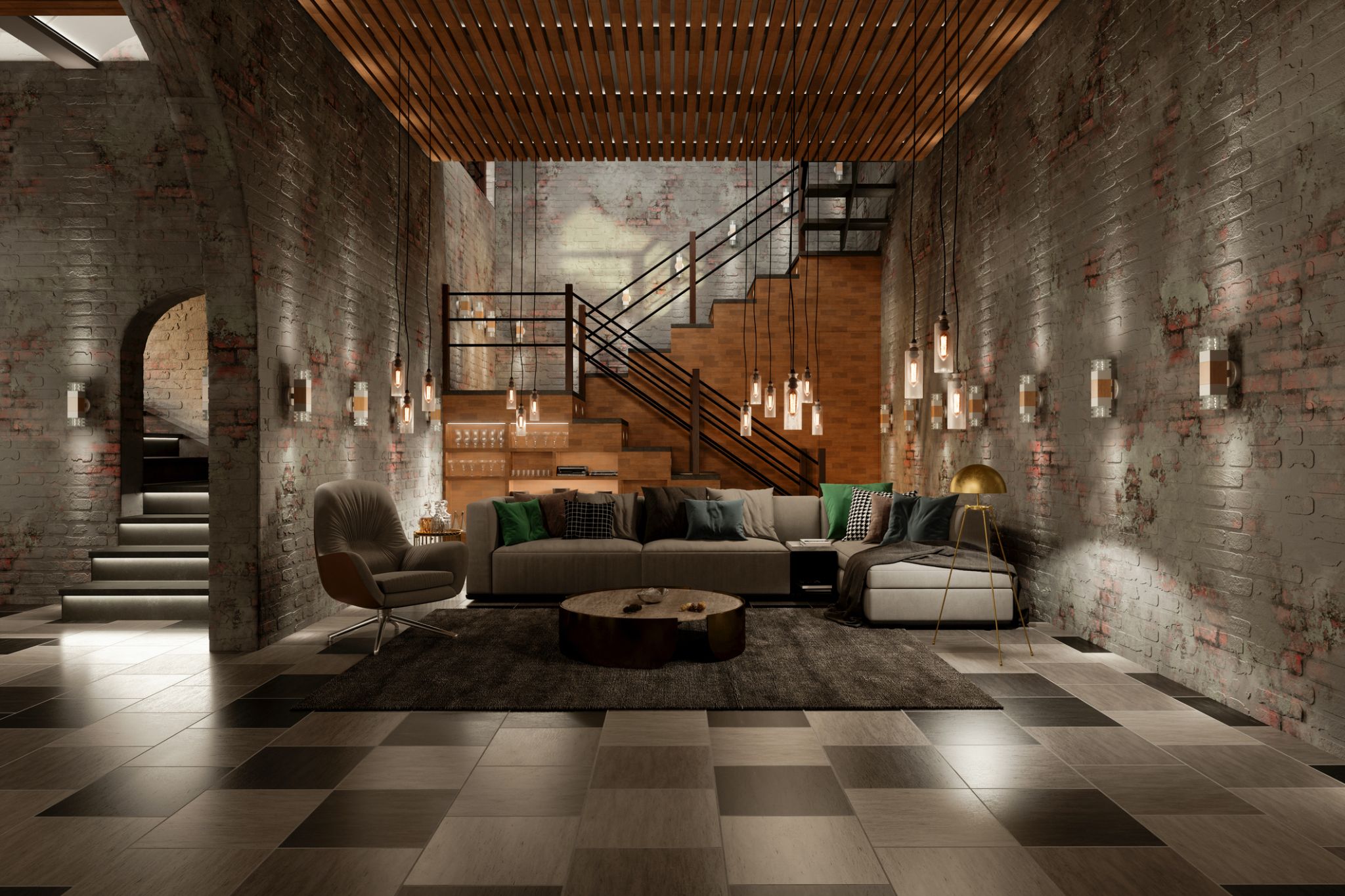
Industrial
Inspired by the Industrial Revolution, Industrial design celebrates the raw, unfinished character of factories and warehouses. Its defining features include exposed architectural elements such as brick walls, ductwork, pipes, and beams, along with raw materials, open floor plans, functional furnishings, and minimal décor.
Raw and unfinished brick, concrete, stainless steel, blackened iron, brass, weathered wood, and leather.
Mood
Edgy, authentic, bold, and grounded.
Best for
Those who enjoy urban-inspired interiors with character and architectural detail. Great fit ideal for those who value raw materials, open spaces, and a functional aesthetic that embraces authenticity.
07
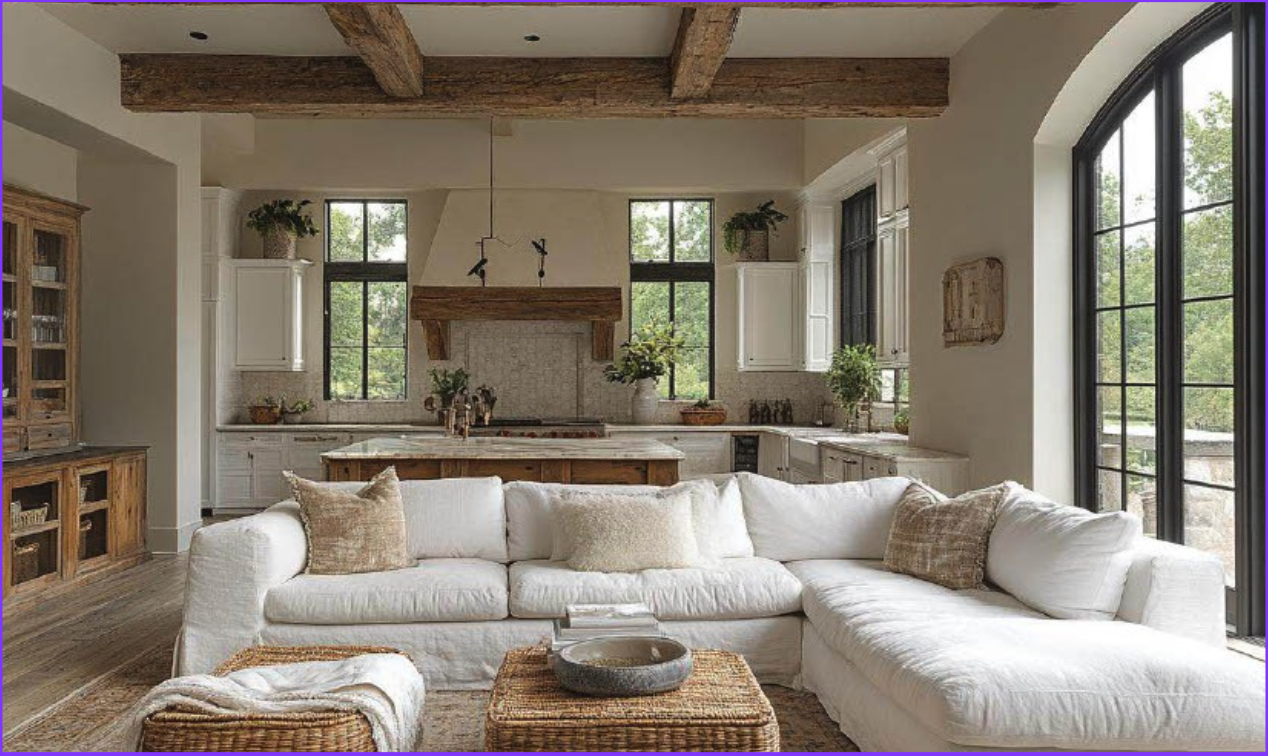
Farmhouse
Drawing inspiration from 18th- and 19th-century farmhouses, Farmhouse design embraces comfort, simplicity, and the beauty of imperfection. Its defining features include sturdy natural materials, simple forms, exposed wood beams, shiplap, and wainscoting. Furnishings are thoughtfully selected to create a warm, cozy, and welcoming home.
Color palette
Whites, creams, soft grays, muted beiges, soft blues, and muted greens. Black is often incorporated through lighting, hardware, and decorative accents to add contrast and definition.
Materials
Distressed wood, aged brass, wrought iron, brick, and natural textiles such as cotton, linen, and wool, complemented by vintage and antique décor.
Mood
Cozy, warm, inviting, and timeless.
Best for
Families who appreciate comfortable, family-friendly spaces with timeless charm and rustic character. Perfect for those seeking a welcoming home that blends natural materials and practical living.
08
Traditional
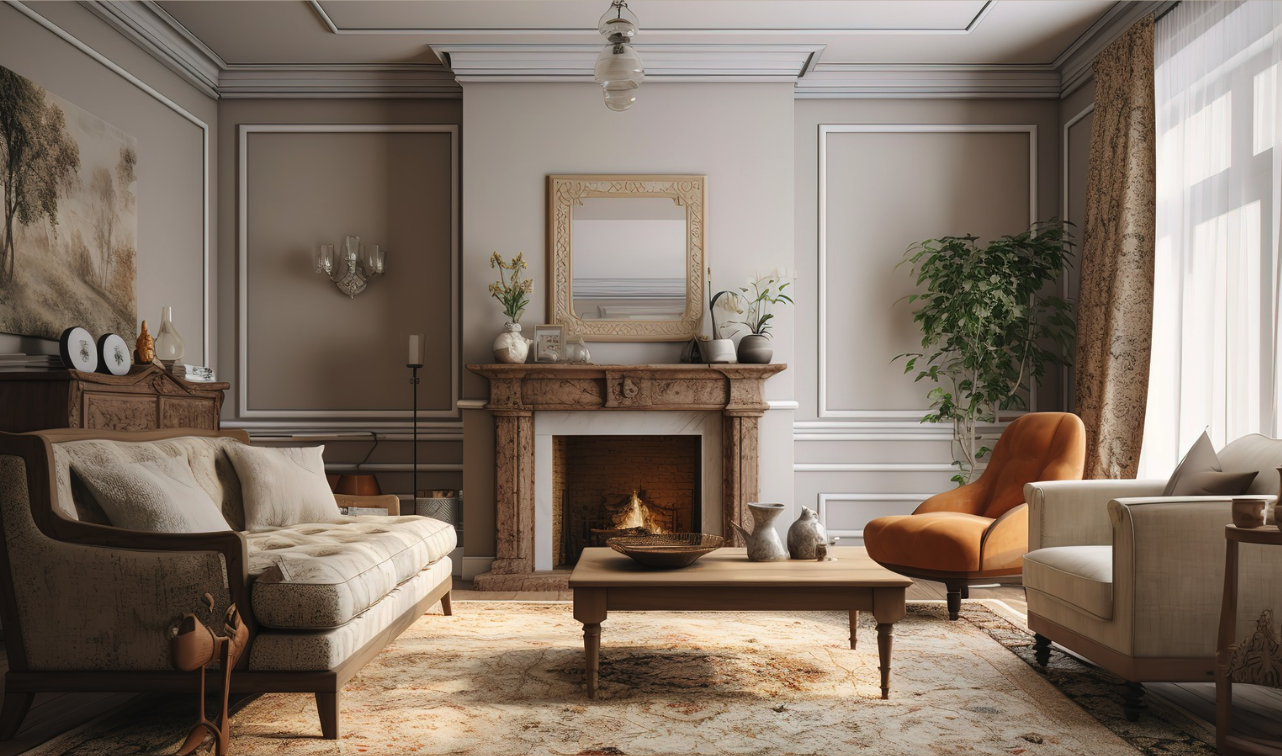
Rooted in the Victorian, Colonial, and French design traditions of the 18th and 19th centuries, Traditional design emphasizes elegance, symmetry, and timeless appeal. Its defining features include symmetrical layouts, ornate wall moldings, carved wood furnishings, gilded accents, and a rich, refined color palette.
Color palette
Cream, beige, deep reds, burgundy, navy, and forest green. Gold is often incorporated through lighting, hardware, decorative accents, and ornate detailing.
Materials
Mahogany, cherry, walnut, marble, granite, brass, bronze, and luxurious textiles such as velvet, silk, brocade, and damask.
Mood
Formal, classic, warm, and elegant.
Best for
Those who value timeless elegance, rich craftsmanship, and refined details. Designed for those seeking a sophisticated home with classic furnishings and balanced proportions.
09
Transitional
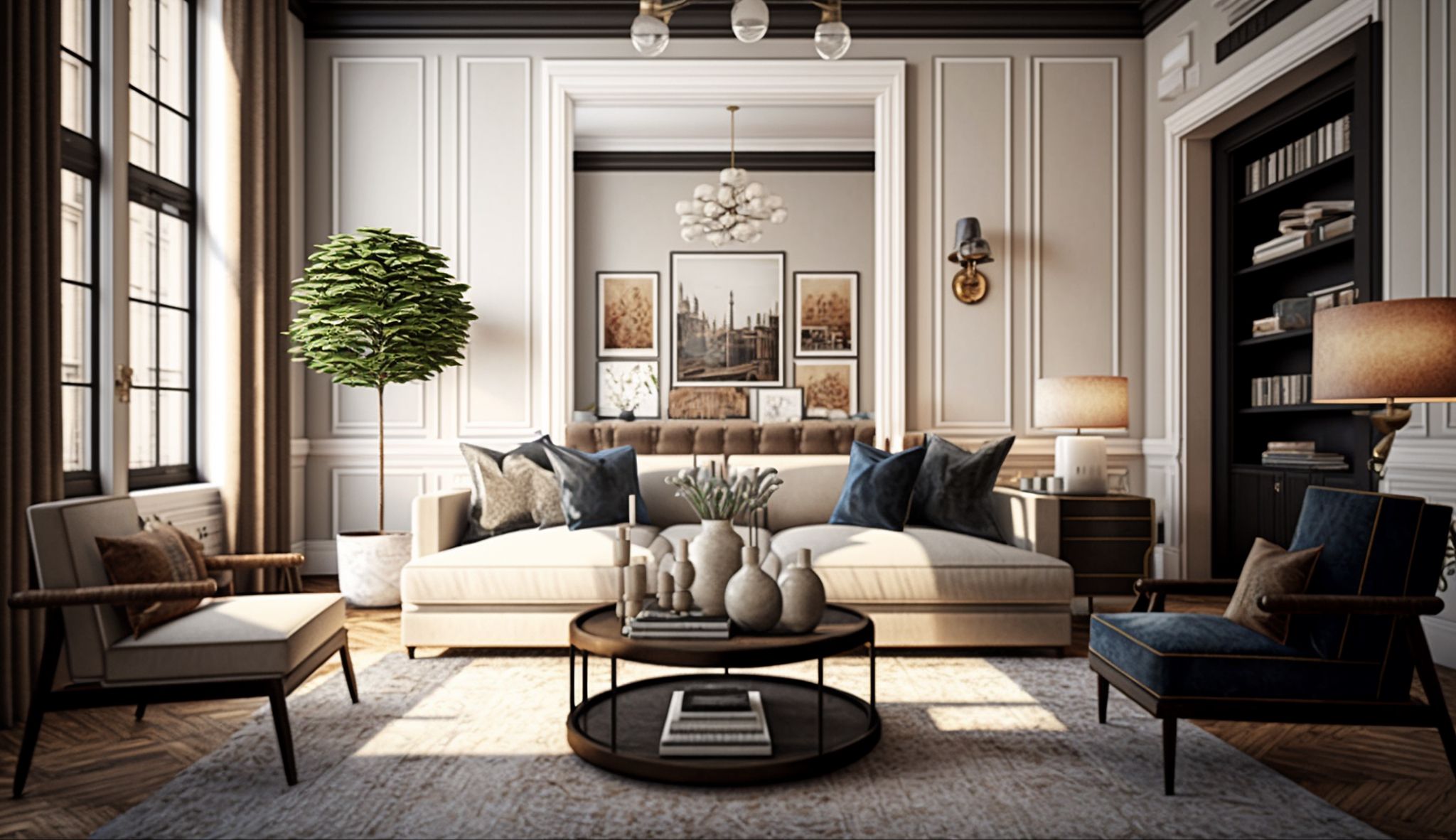
Combining the warmth of traditional design with the clean simplicity of contemporary aesthetics, Transitional design emphasizes balance, comfort, and timeless elegance. Its defining features include a harmonious blend of straight and curved lines, neutral color palettes, and classic furnishings enhanced by clean, understated detailing.
Color palette
Beige, taupe, soft grays, cream, warm browns, deep charcoals, and muted blues. Subtle metallic accents are often incorporated through lighting, hardware, and decorative accessories.
Materials
Medium to dark wood tones, marble, quartz, glass, brushed nickel, chrome, bronze, and natural textiles such as cotton, linen, leather, and wool.
Mood
Balanced, timeless, comfortable, and sophisticated.
Best for
Individuals who are looking to create a traditional design with the simplicity of modern living. Tailored for those seeking a refined, versatile home that feels both timeless and effortlessly inviting.
10
Art Deco
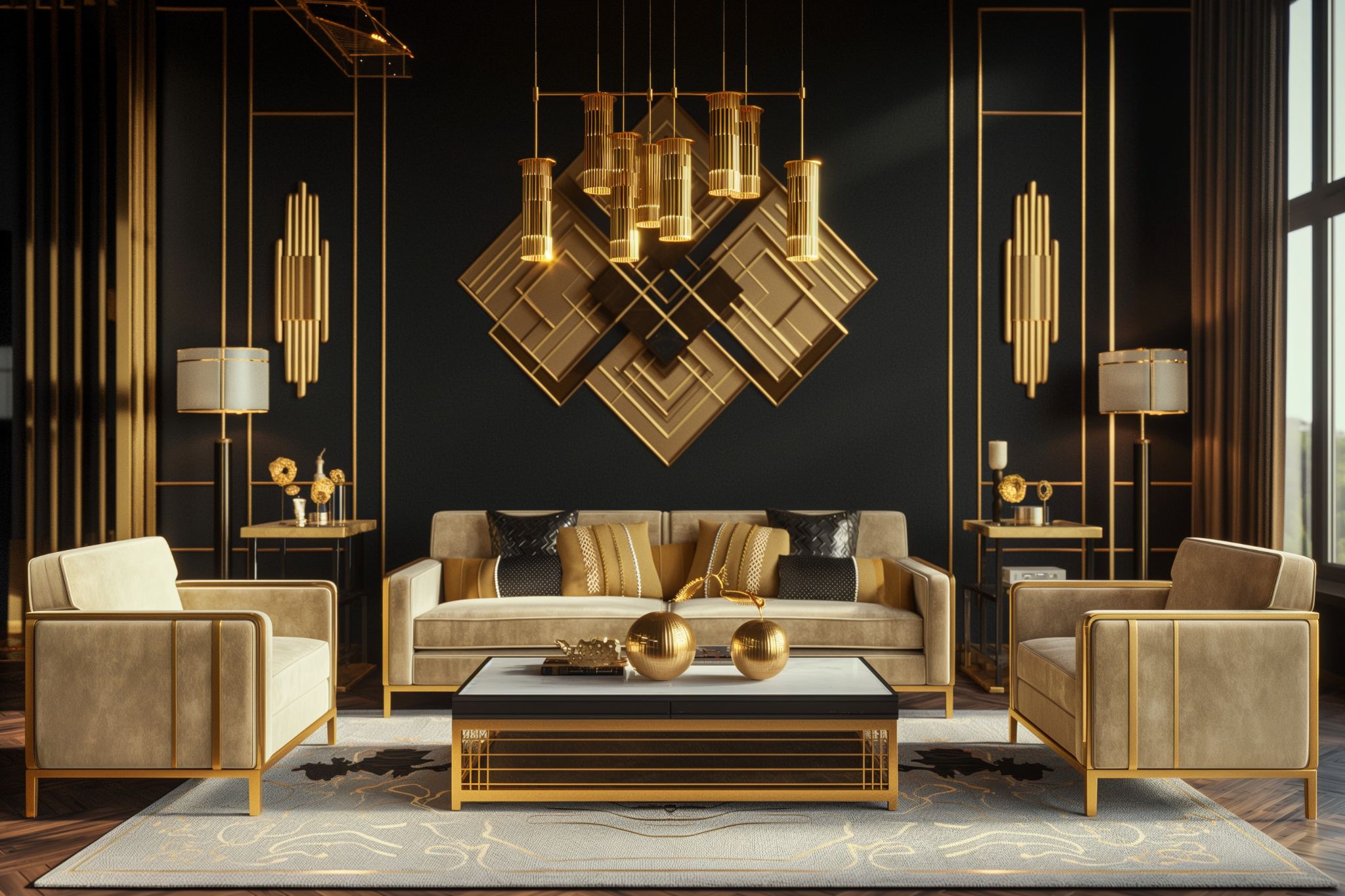
Originating during the glamour of the 1920s and 1930s, Art Deco celebrates luxury, opulence, and bold sophistication. Its defining features include symmetrical layouts, striking geometric patterns, rich color palettes accented with metallic finishes, sleek streamlined furnishings, and dramatic decorative details.
Lacquered wood, exotic veneers, marble, mirrored glass, chrome, brass, gold, and luxurious textiles such as velvet, silk, and leather.
Mood
Luxurious, glamorous, bold, and dramatic.
Best for
Those who appreciate timeless glamour, bold design, and refined craftsmanship. Great choice for those seeking a sophisticated interior that showcases rich materials, striking geometric details, and elegant statement pieces.
Finding Your Own Style
While each design style has its own defining characteristics, interiors don't have to follow a single approach. Elements from different styles can be thoughtfully combined to create spaces that feel cohesive, personal, and suited to the way you live.